







Search Results for: egg whisking brewing method
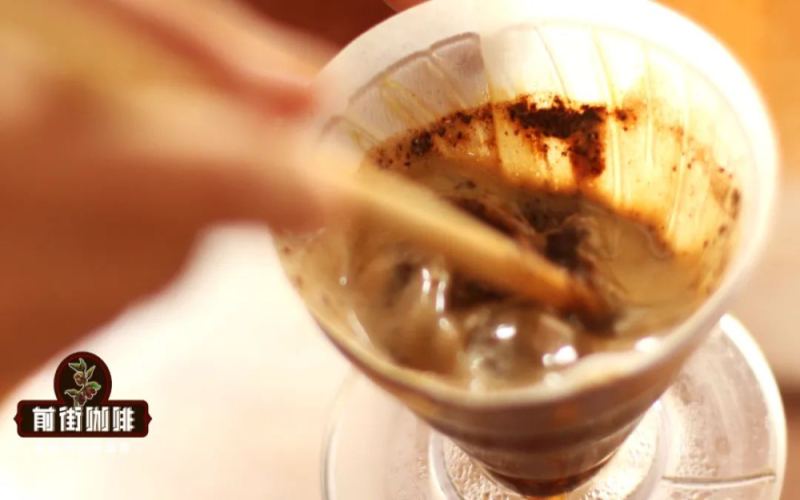
How Should You Adjust Parameters for the "Egg-Whisking" Style Pour-Over? Front Street Coffee Breaks Down Three Rounds of Testing to Explain the Boost in Sweetness and What Causes Clogging
Pour-over coffee brewing methods are endless, and recently a technique called the "egg-beating brewing method," a stirred extraction approach, has made a comeback, reportedly able to significantly boost coffee's sweetness. Front Street, driven by curiosity, conducted three rounds of comparative experiments: starting with a light-to-medium roast natural-process bean without blooming, then switching beans and adjusting the coffee-to-water ratio, and finally reintroducing the blooming step, to verify this technique's actual effects and problems one by one. The article meticulously records each round's brewing parameters, techniques, and flavor performance, and analyzes how grind size, water temperature, coffee-to-water ratio, and blooming affect the final cup's taste. If you also want to try this novel stirred extraction, or are looking for brewing ideas to enhance sweetness, this hands-on record will provide concrete references. [more…]
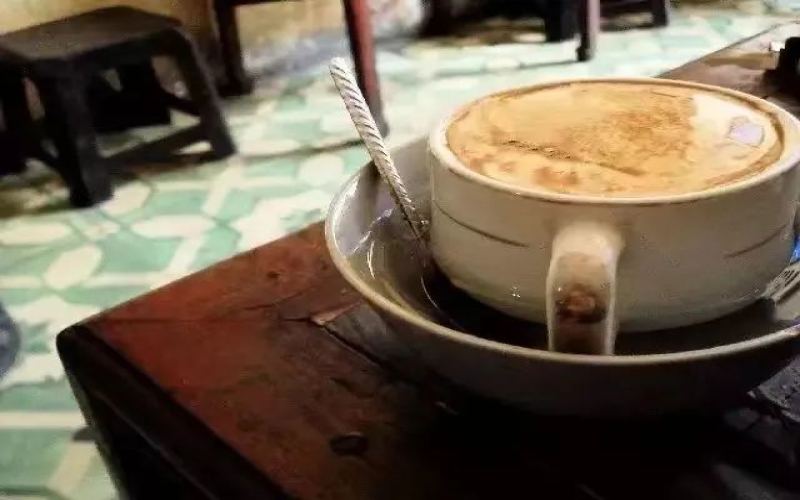
Vietnamese Egg Coffee vs. Nordic Egg-Brewed Coffee: A Comparison of Two Egg Coffee Preparation Methods and Flavors
Egg coffee isn't only a Vietnamese specialty—Nordic countries also have an old method of brewing coffee with eggs. The Vietnamese version whips egg yolks into a creamy substitute for milk, born in wartime Hanoi when supplies were scarce; the Nordic version uses egg whites to bind the coffee grounds, leaving the brewed coffee clear and sediment-free. Front Street Coffee walks you through the origins, principles and home-friendly methods for both styles of egg coffee, including how to choose pasteurized eggs, the ratio of coffee liquid to egg cream, and Front Street's own tested brewing tweaks, so you can recreate these two intriguing flavors at home. [more…]
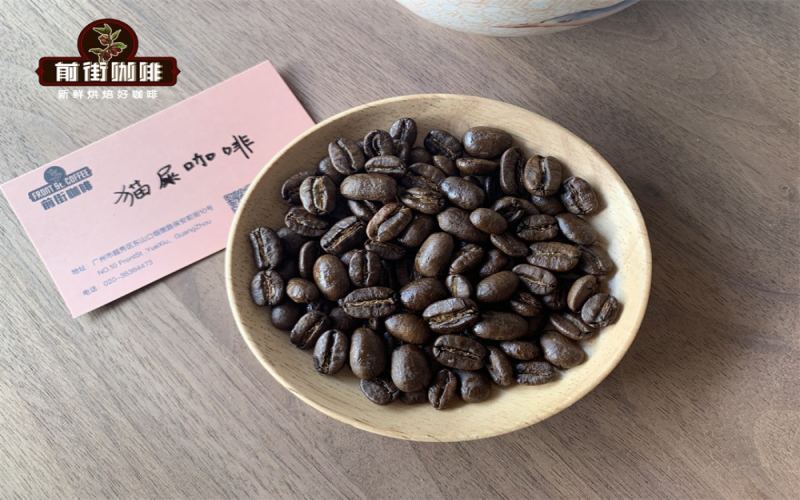
Indonesian Kopi Luwak Flavor Analysis: Is the Taste Acidic? Front Street Coffee Discusses Civet Coffee Characteristics and Brewing
Kopi Luwak, also known as civet coffee, is a name that even people who don't drink coffee often have heard of, yet within the specialty coffee community, this coffee is explicitly boycotted, and the root cause lies in its overly cruel production method. This time, Front Street Coffee takes a look at Indonesian Kopi Luwak: from the coconut palm civet stealing and eating coffee cherries, through biological fermentation in its stomach juices and intestines, to the traditional processing flow in which coffee farmers collect the feces, wash them, and sun-dry them; from the hybrid background of the Indonesian Golden Mandheling variety, to the similar practice behind Brazil's bird poop coffee; and then to the origin and method of Vietnamese egg coffee. At the same time, Front Street will also discuss the flavor controversy surrounding Kopi Luwak, its SCAA scoring performance, and specific suggestions for roasting and brewing, helping coffee lovers view this highly talked-about coffee more rationally. [more…]
Whisking coffee with a tea whisk? Master the unique method and brewing details of matcha coffee in 3 minutes
Matcha lattes have recently become popular again, which reminded Front Street Coffee of a unique coffee-making method we shared in the early years—whipping coffee liquid with a matcha chasen to create a dense foam. This method was created by actor Hiroshi Fujioka, inspired by his mother's tea ceremony, transplanting the whisking action used in matcha preparation onto coffee. It not only enhances the aroma and mouthfeel but also carries a distinctively Japanese character. This article will provide a complete introduction to this method: from background knowledge on matcha and the whisking method of tea preparation, to coffee bean selection, brewing parameters, chasen whisking technique, and finally an actual tasting comparison. Front Street Coffee used Blue Mountain coffee beans and a Kono dripper for the brewing demonstration, and recorded the noticeable differences in flavor before and after whisking, making it suitable for trying at home. [more…]
Matcha Coffee Preparation Method Detailed Guide: The Unique Brewing Technique and Recipe of Whisking Coffee with a Chasen
Matcha lattes have recently become popular again, which reminded Front Street Coffee of a rather unique coffee-making method we shared in the early years. The inspiration for this method comes from matcha preparation in Japanese tea ceremony: using a chasen to beat the coffee liquid until it produces a dense foam, thereby enhancing the aroma and mouthfeel. Its creator was not a professional barista, but the actor Hiroshi Fujioka. While traveling the world, he was inspired by coffees from various places, and after returning home, inspired by his mother's tea ceremony, he incorporated the whisking technique into coffee making. This article will give a complete introduction to this distinctive method: from matcha basics, bean selection, and brewing parameters to whisking techniques and tasting comparisons, along with Front Street Coffee's hands-on experience and suggestions, suitable for coffee lovers to try in their spare time. [more…]

Brewing Coffee the Matcha Way: An Analysis of Matcha's Origins, the Tea Whisking Culture, and Traditional Brewing Techniques
Matcha and coffee may seem to belong to two different worlds, but what kind of flavor collision would occur if we borrowed the brewing logic of matcha to make coffee? Before getting hands-on, Front Street Coffee will first take everyone back through the historical origins of matcha—it began with the whisked tea method of China's Song Dynasty, and after localized evolution, became part of Japanese tea ceremony culture, which emphasizes the spirit of "harmony, respect, purity, and tranquility." Traditional matcha brewing requires a small amount of matcha powder with 70°C~80°C warm water, first blended in a bowl with a tea whisk, then a measured amount of warm water is added and whisked to create foam, producing a thick, delicate layer of foam. This article unfolds around the origins of matcha, key brewing points, and the specific method for making matcha coffee, while preserving relevant images and recommendation information in appropriate places. [more…]

Hiroshi Fujioka-style Chasen Pour-Over Coffee: An Alternative Extraction of Japanese Dark Roast Beans and the Fusion of Matcha Techniques
This time Front Street is going to share a rather unusual brewing method—it breaks out of the framework of conventional pour-over and grafts the matcha whisking technique from Japanese tea ceremony onto coffee extraction. The person who created this "Way of Coffee" is none other than Hiroshi Fujioka, star of the original Kamen Rider. He favors Peruvian beans, Japanese-style dark roast, and coarse grinding, pouring water in a steady drip throughout, then using a chasen to whisk the coffee liquid into a dense foam. Front Street couldn't resist trying it out personally, recreating it once with a medium-dark roasted Blue Mountain bean. What kind of aroma and mouthfeel can this method actually bring? And why must it be drunk against the clock? The following will reveal all. [more…]
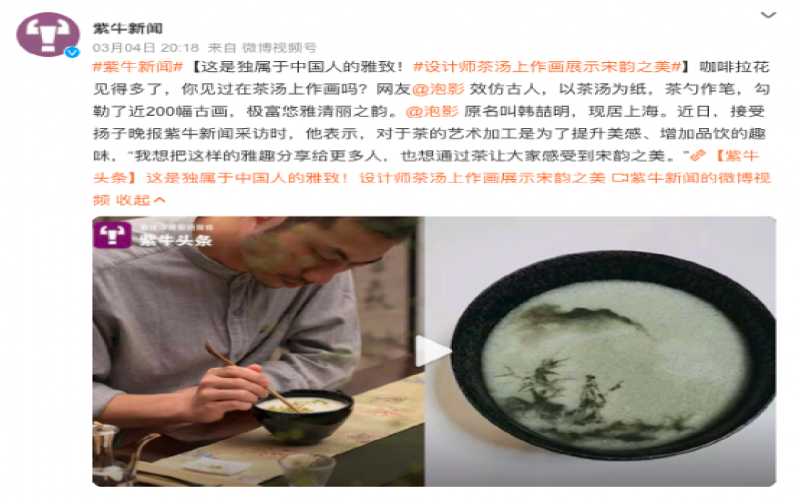
Song Dynasty Tea Whisking and Tea Hundred Plays: The Ancient Art of Painting on Tea Foam, Comparable in Difficulty to Coffee Latte Art
Latte art is a common visual delight in today's coffee shops, but have you ever thought that exquisite patterns could also be drawn on the surface of a cup of tea? "Tea hundred opera" in Song Dynasty tea whisking is exactly such an ancient skill. Recently, a Shanghai graphic designer hit the trending searches for painting Chinese paintings on tea infusion. He grinds white tea, pours water seven times and whisks, then uses tea paste to outline ancient paintings on the dense tea foam. The whole process must be completed within ten minutes. What is the difference between tea hundred opera and latte art? What are the differences between ancient painting methods and modern improvements? This article will guide you through the process of Song Dynasty tea whisking, the term "biting the cup" in tea competitions, as well as the historical records and operational details of tea hundred opera, while retaining the professional recommendation of Front Street Coffee. [more…]

The Origin and Making of Hand-Whipped 400-Times Coffee: From Macau's Hon Kee Tea Stall to Korean Viral Fame
A cup of frothy coffee that requires repeated whipping hundreds of times quickly became popular due to the Korean variety show "New Product Launch Convenience Restaurant." During the pandemic, Koreans trapped at home rushed to imitate it, sparking a check-in craze on social platforms. Many people think this was invented in Korea, but its origins actually lie in Macau—at the Han Kee tea stall in an abandoned shipyard in the city's ring district. The owner mixed instant coffee powder, hot water, and granulated sugar in a 1:1:1 ratio, whipping it by hand at high speed to achieve a dense foam after about four hundred strokes. This article traces the origin and principles of this drink, and provides specific steps to recreate it using espresso and an electric milk frother, preserving Front Street Coffee's production demonstration and tasting experience. [more…]
The Complete Process of Making Fancy Coffee: From Grinding and Brewing to Milk Steaming and Latte Art Techniques
Fancy coffee is a leisure drink beloved by many, but its preparation process is not complicated. This article breaks down, step by step, the practical methods for making fancy coffee at home—from grinding coffee beans, brewing coffee, frothing milk, to pouring latte art and blending—and reminds you of easily overlooked details such as grinding temperature and the best time to drink it. It also recommends Front Street Blue Mountain coffee, which is suitable for making fancy coffee, as well as practical equipment such as hand-cranked coffee grinders, electric coffee grinders, French presses, siphon pots, milk frothing pitchers, and coffee cups, helping coffee lovers easily enjoy the pleasure of homemade fancy coffee. [more…]
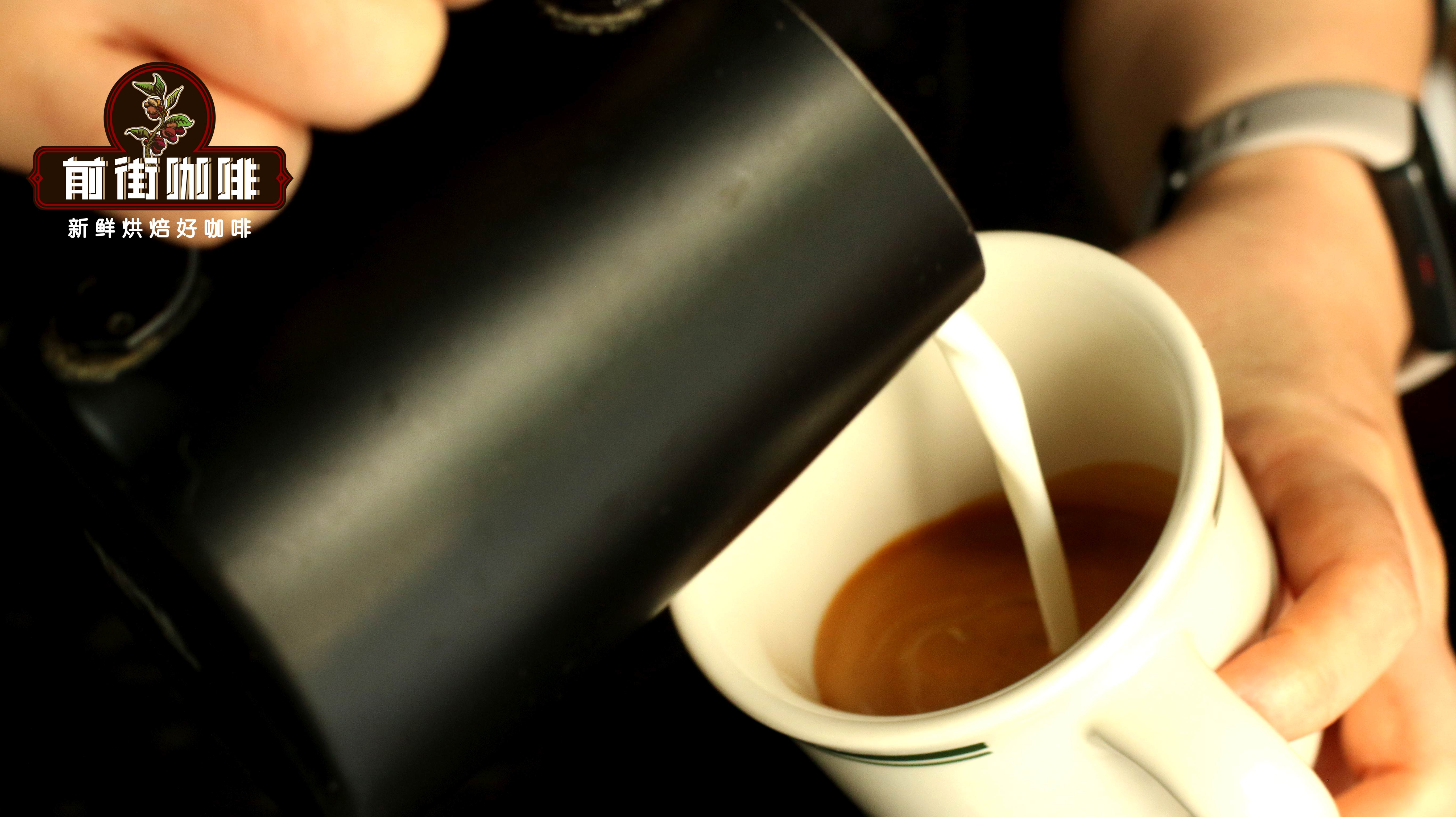
Can You Make Milk Foam Without a Whisk? A Detailed Guide to Cappuccino Milk Foaming and the Key Techniques of Milk Temperature
Want to enjoy a cappuccino at home but lack professional tools—can a whisk replace a steam wand to produce ideal milk foam? What is the best temperature to heat the milk to? This article focuses on four core points in cappuccino making—milk temperature, foam density, foam quantity, and milk texture—explaining one by one how to create fine, silky milk foam so that the coffee's own sweetness can be fully released. The article also shares Front Street Coffee's hands-on experience with steam milk temperature control, foaming rhythm, and pouring technique, helping you make a cappuccino close to cafe quality even without professional equipment. [more…]

How to make frozen 400 times coffee? A real-world comparison test of espresso and instant freeze-dried powder—which tastes better?
Dalgona coffee has taken the internet by storm with its cloud-like, velvety foam and caramel-sweet flavor, while the frozen version of Dalgona coffee needs only one extra step of chilling to transform the coffee foam into an ice cream-like texture, with layers that rival a snow-topped coffee. But when making it, should you use espresso or instant freeze-dried powder? What exactly are the differences between the two in terms of whipping difficulty, flavor expression, and final mouthfeel? Front Street Coffee conducted two sets of comparative experiments using freshly brewed espresso and instant coffee powder respectively, recording everything from extraction parameter adjustments and whipping time to the texture of the final product, to help you find the method that suits you best. [more…]
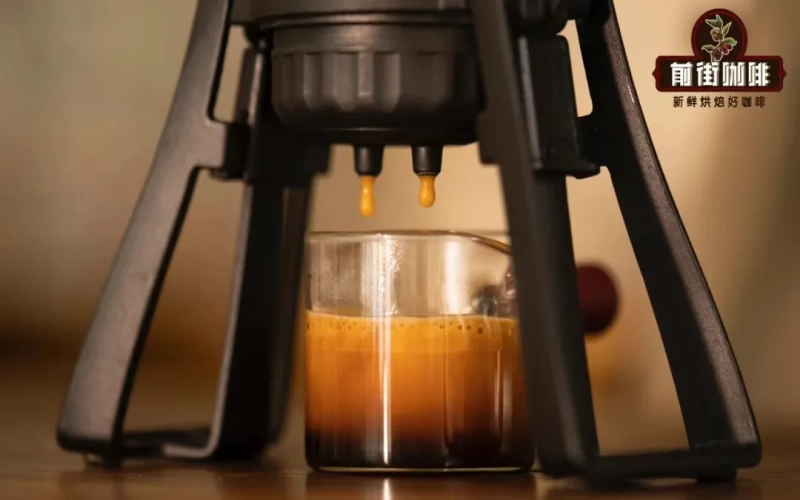
How to froth latte milk foam at home? How to deal with milk foam that is too thick? What is the appropriate milk temperature for cappuccino?
Nowadays, high-pressure extraction tools such as manual presses and dual-valve moka pots are emerging one after another. Even without an expensive fully automatic or semi-automatic espresso machine, you can still make a cup of strong coffee at home that is close to espresso flavor. However, these devices cannot directly provide milk foam like a coffee machine. If you want a "latte" or "cappuccino" with a velvety texture, you still need to find another way. In this article, Front Street will guide you through the principles of milk foam formation, teach you step by step how to make milk foam at home with an electric milk frother, answer common questions such as foam that has been whipped too thick or has a rough surface, and finally discuss the optimal temperature of milk for cappuccino. [more…]
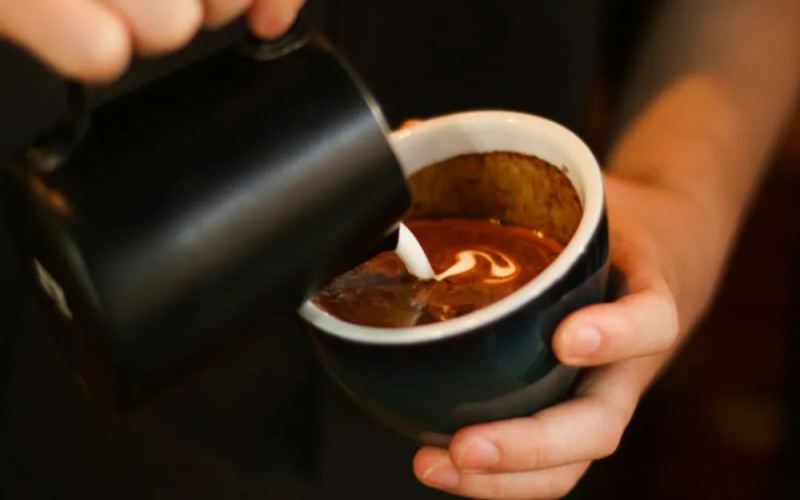
The Complete Guide to Making a Salty Mocha Coffee: A Detailed Tutorial from Purifying Milk to Both Hot and Cold Versions
Mocha coffee is richer in flavor and sweeter in aroma thanks to chocolate, and in recent years a variant called "Salted Mocha" has gone viral online. After trying it personally, Front Street Coffee found it truly excellent, so we've put together this complete tutorial. The article will detail the ingredient preparation for a Salted Mocha, including purified milk that takes a full day to make, as well as the pairing of espresso, chocolate sauce, unsweetened cocoa powder, and salt. The preparation section covers both hot and iced versions of the Salted Mocha—the former uses a tea whisk for stirring and steaming milk for latte art, while the latter is shaken in a cocktail shaker for an icy, rich experience. Throughout, Front Street Sunflower·Warm Sun blend coffee beans are used, which pair perfectly with the chocolate flavor. [more…]
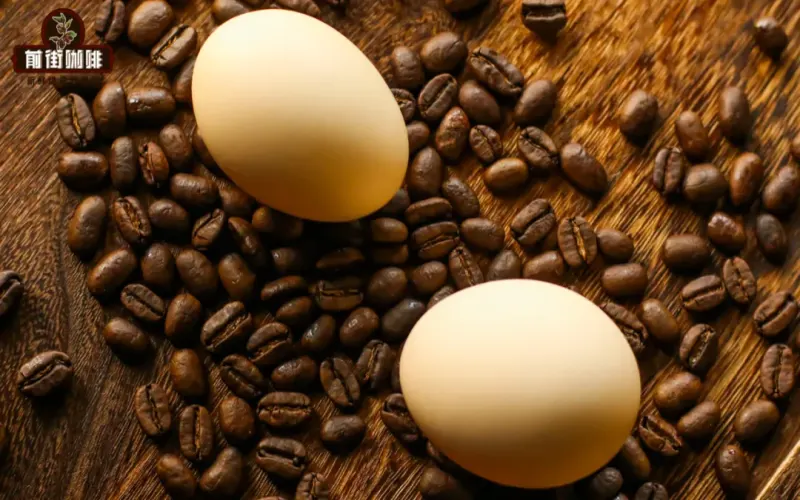
An Analysis of the Norwegian Egg Coffee Preparation Method and Its Differences from Vietnamese Egg Coffee
Norwegian egg coffee has recently sparked online attention again, and Front Street Coffee has also taken a fresh look at this unique coffee drink. Although Norwegian egg coffee and Vietnamese egg coffee are quite similar in ingredients, the finished flavors are vastly different. This article will introduce in detail the origin background, preparation steps, and flavor characteristics of Norwegian egg coffee, and analyze its core differences from Vietnamese egg coffee, taking you to understand this Nordic traditional coffee that was born out of historical reasons and gradually disappeared due to changing times. [more…]
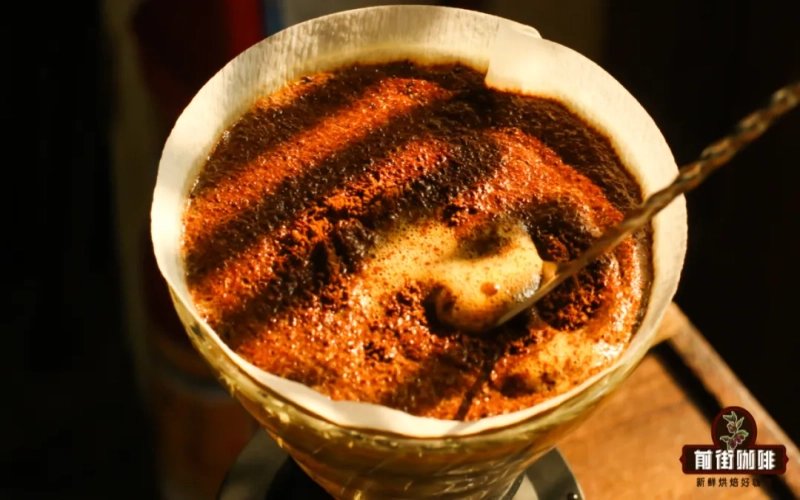
The Differences Between Norwegian Egg Coffee and Vietnamese Egg Coffee, and Alternative Ideas for Pour-Over Coffee Filter Tools
There are many ways to filter coffee grounds, with filter paper, cloth, and mesh being the most common tools, but Norwegians once used an unexpected ingredient for this purpose—eggs. Although both involve adding eggs to coffee, Vietnamese egg coffee and Norwegian egg coffee have very different starting points. This article will trace the origins and preparation of Norwegian egg coffee, and include Front Street Coffee's practical recipe, to take you through this peculiar coffee that was once popular in Nordic households. [more…]
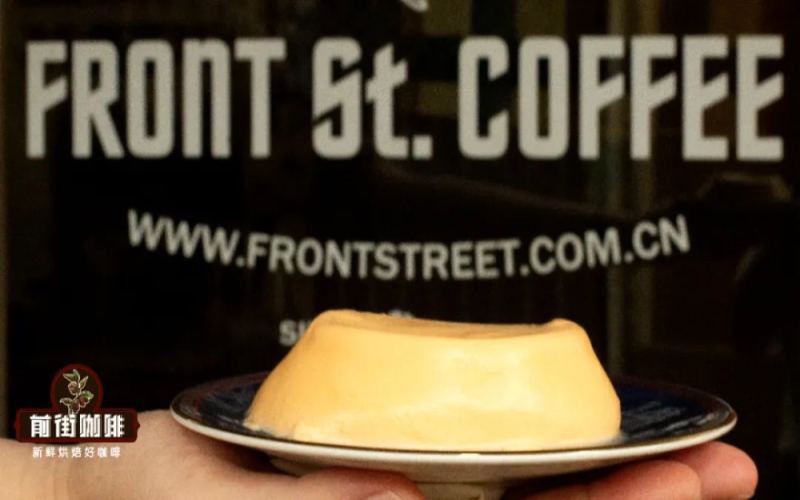
Using a coffee machine steam wand to make egg pudding? A step-by-step guide to two coffee-flavored recipes
You might not have thought of it, but a coffee machine can do more than brew coffee—it can also whip up an egg dessert on the side. In fact, back in the 1950s in Colombia, people were already using the steam wand to make an egg dish called Huevos Al Vapor and turning it into a signature item in their shops. Now Front Street Coffee is also trying to recreate this steamed egg pudding with a home espresso machine—all you need are eggs, milk, butter, and sugar, and it's done in a few steps. This article will break down the steps in detail, the ingredient ratios, and two ways to present it with coffee flavors, while also reminding you about cleaning the steam wand and milk pitcher, to help you successfully make this impromptu dessert with caramel-coffee notes and low sweetness. [more…]

An Unusual Use for an Espresso Machine Steam Wand: The Curious Tale of a Colombian Café Steaming "Scrambled" Eggs
The steam wand on an espresso machine is usually used to froth milk or heat it up, but in some cafés in Colombia, it has been put to a surprising new use—steaming eggs. This egg dish made with a steam wand has a fluffy, tender texture like a soufflé, and has become a signature breakfast at local cafés. This article will walk you through the origin of this famous dish, how it's made, and the real experiences of netizens who tried to imitate it. At the same time, the article also reminds coffee lovers: this kind of operation can cause no small amount of trouble for your espresso machine. If you're intrigued by the curious combination of coffee and eggs, read on. [more…]

Complete Guide to Vietnamese Egg Coffee: From Its Origins to a Hands-On "Liquid Tiramisu" Recipe
There are two highly iconic coffees on the streets of Vietnam. Besides the familiar drip coffee, the other is egg coffee made with raw eggs. Recently, a new version of the recipe has become popular online, and those who have tried it have unanimously described it as "liquid tiramisu," which makes one wonder: what kind of taste and flavor could deserve such praise? This article will guide you through the origin and evolution of Vietnamese egg coffee and provide a complete replication using the current popular recipe, sharing everything from ingredient preparation and whipping techniques to coffee extraction parameters step by step, and finally including a real tasting experience. If you also want to know just how magical this egg coffee, called "liquid tiramisu," really is, then follow along with Front Street Coffee and give it a try. [more…]
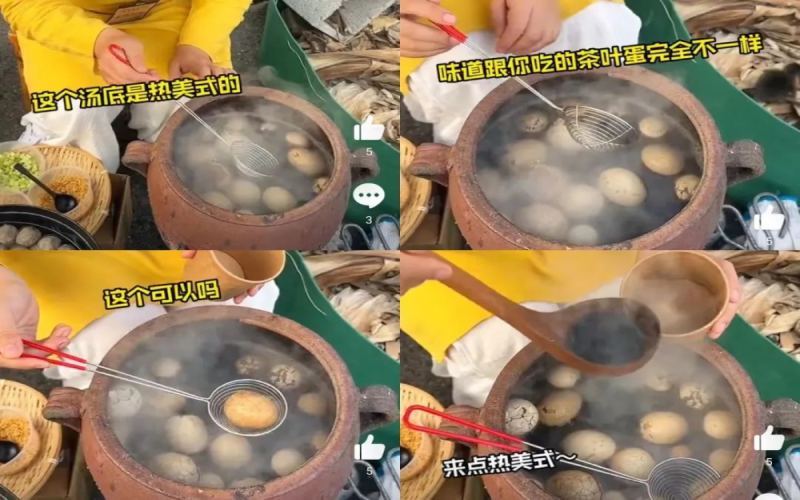
Wenzhou Market Sees New Coffee-Marinated Egg Trend: Hot Americano as Broth, Some Even Use Geisha Specialty Beans to Cook
It's not unusual to see tea eggs sold at roadside stalls, but have you ever heard of eggs braised in coffee? Recently, a creative snack called "coffee eggs" appeared at the Qingdeng Market in Wenzhou. The vendor simmered coffee powder together with five-spice braising ingredients, then soaked the eggs in a hot Americano broth to absorb the flavor, selling each for 5 yuan. This move quickly sparked heated discussion online, with some worrying about a bitter taste, others questioning hygiene, and coffee enthusiasts even joining in the experiments, using Panama Guarumo Washed Geisha that costs 2,000 yuan per kilogram to boil eggs, with the coffee alone costing over a hundred yuan. When everyday ingredients meet specialty coffee, what kind of taste experience will it create? Front Street Coffee takes everyone to find out. [more…]